

First, we explored potential 3D depth estimation models including Omni3D, Vision UFormer, and MiDaS. The most robust, reliable, and accessible option was MiDaS, so we began testing and researching relative depth maps.
The most clear path for the user is calculated using the most far away vertical area in the image, which is blurred and averaged to reduce noise, and the frame is searched for close and large obstructions using this depth map.
In addition to depth perception, we used SerpAPI to scrape Google for pictures of furniture, namely ottomans, sofas, chairs, wardrobes, beds, and tables.
We used a combination of intricate polygons and bounding boxes to label our images using Roboflow and used data augmentation methods like shearing, rotating, and adjusting brightness to correct for the phone's orientation and environment.
Then, we trained a YOLO5 model on our dataset of over 4,500 images using Roboflow and Google Colab. After training, our model had an accuracy of __%.
Our mobile app was designed using Figma and developed using Flutter, and this website was created from scratch with js, html, css, three.js, and Vercel.
Integrating furniture detection, depth estimation, and mobile accessibility yielded a robust and capable tool for assisting visually impaired or distracted users.

Stephanie enjoys programming, math, art, reading, and learning new things. She was the product manager for Gander Guide and created the website from scratch using HTML, JS, and CSS.
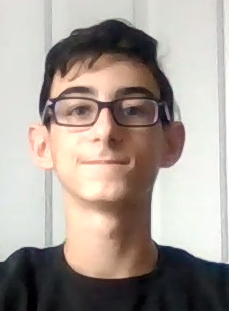
Alex likes playing piano, running, robotics, programming, and 3D design. He created the image processing script and warning logic for Gander Guide.
Richard enjoys cooking, machining, programming, and playing video games. He made the mobile app using Flutter.
Alan likes programming, science, reading books, and watching YouTube. He trained the YOLOv8 object detection model for identifying furniture.
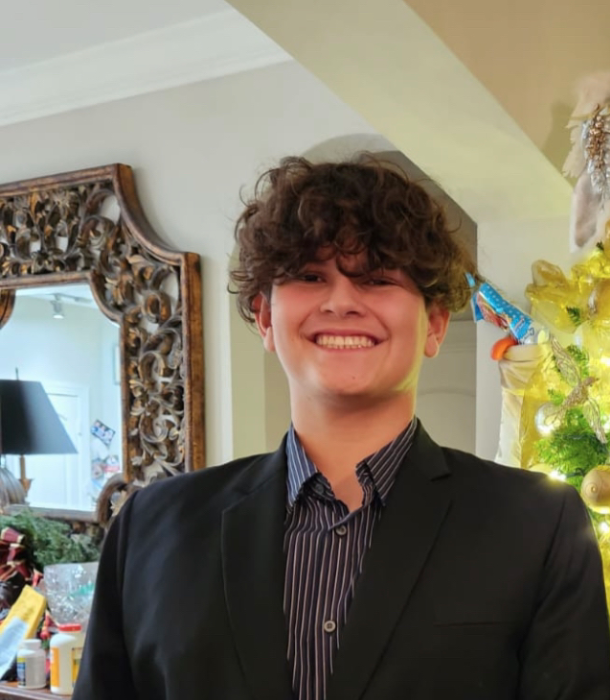
Jacob likes weightlifting, football, programming, and video games. He made the UI/UX for the mobile app using Figma.
Kyle's hobbies are programming, video games, music, fitness, science and math. He worked on videos and presentations, frontend, and training the ai model.
As a lifelong engineer, Travis has always loved building things, both hardware and software. Being raised by a teacher and a software engineer, it's natural his strengths led to mentorship.